Dinosaurs
Dominant Vertebrates of the Mesozoic Era
Dinosaurs were a highly diverse group of archosaur reptiles that dominated terrestrial ecosystems for over 160 million years, during the Triassic, Jurassic, and Cretaceous periods (252–66 million years ago).
What Were Dinosaurs?
Dinosaurs first appeared around 230 million years ago in the Late Triassic. They are defined by specific skeletal features, including an upright posture with legs positioned directly beneath the body. Dinosaurs evolved into thousands of species ranging from small, feathered predators to massive long-necked herbivores. Not all prehistoric reptiles were dinosaurs—marine reptiles like plesiosaurs and flying pterosaurs were separate groups. Modern birds are direct descendants of theropod dinosaurs, making them living dinosaurs.
The Mesozoic Era
- Origins and Early Evolution
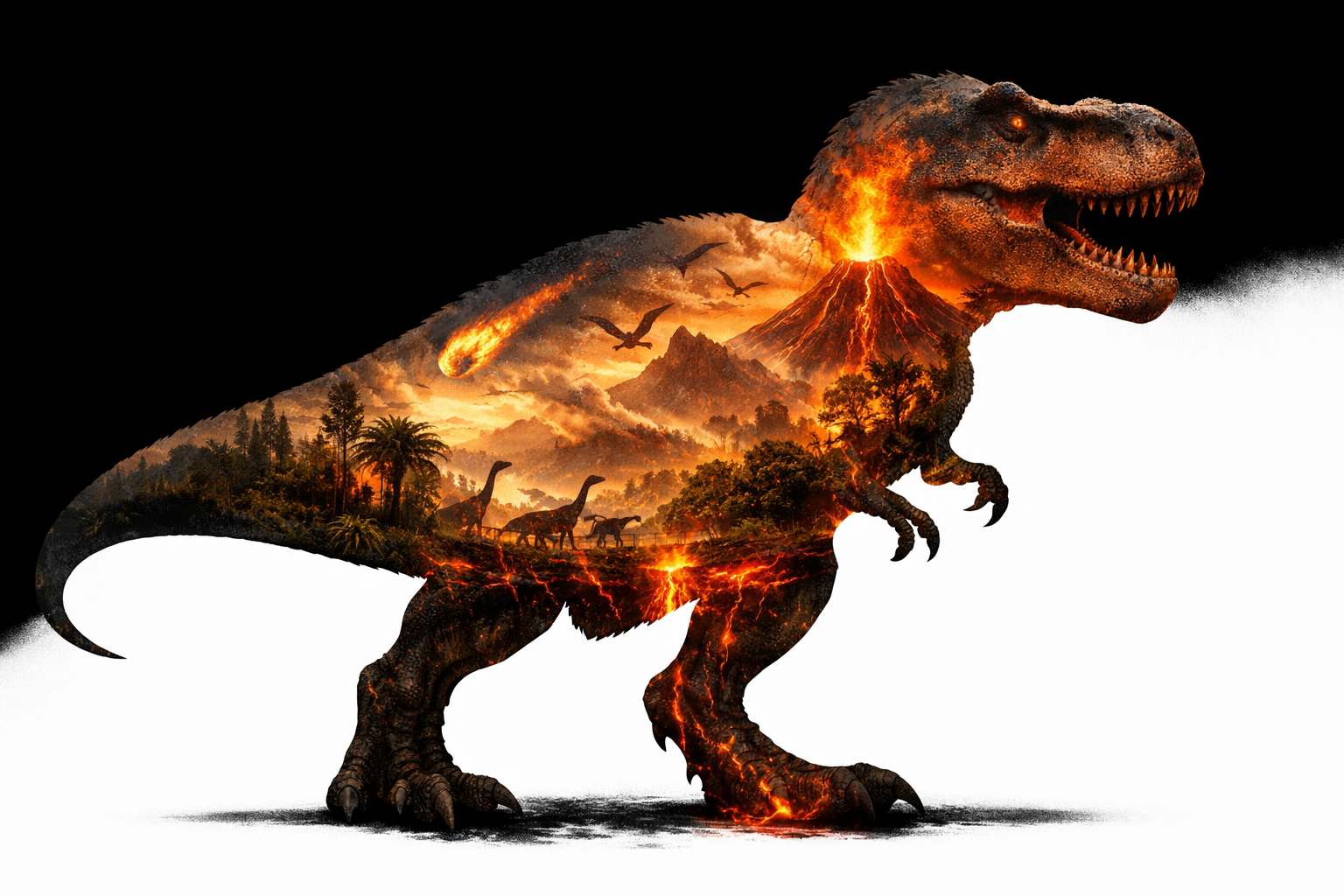
Small, bipedal dinosaurs such as early theropods and sauropodomorphs emerged and began diversifying after the Permian mass extinction.
- Rise of the Giants
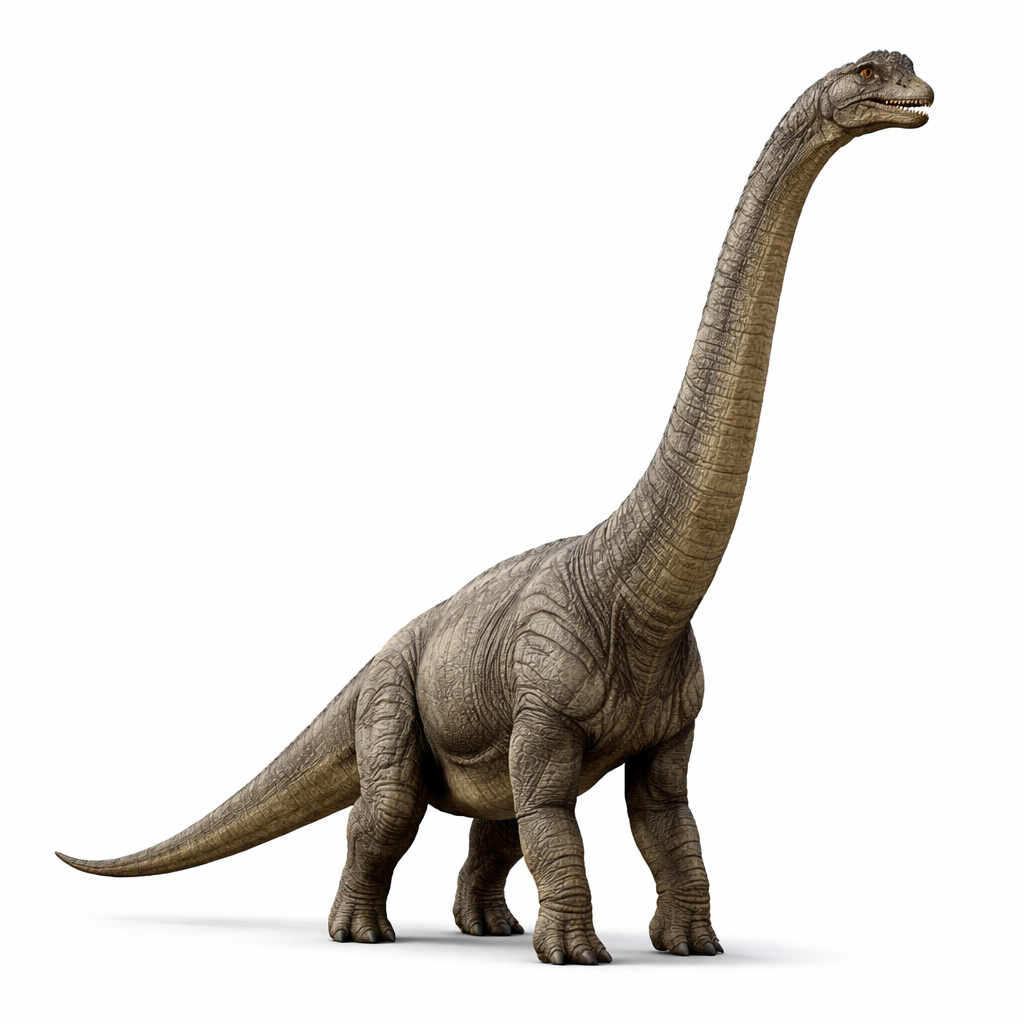
Large sauropods like Brachiosaurus and Diplodocus dominated landscapes, while predators such as Allosaurus became apex hunters.
- Peak Diversity and Mass Extinction
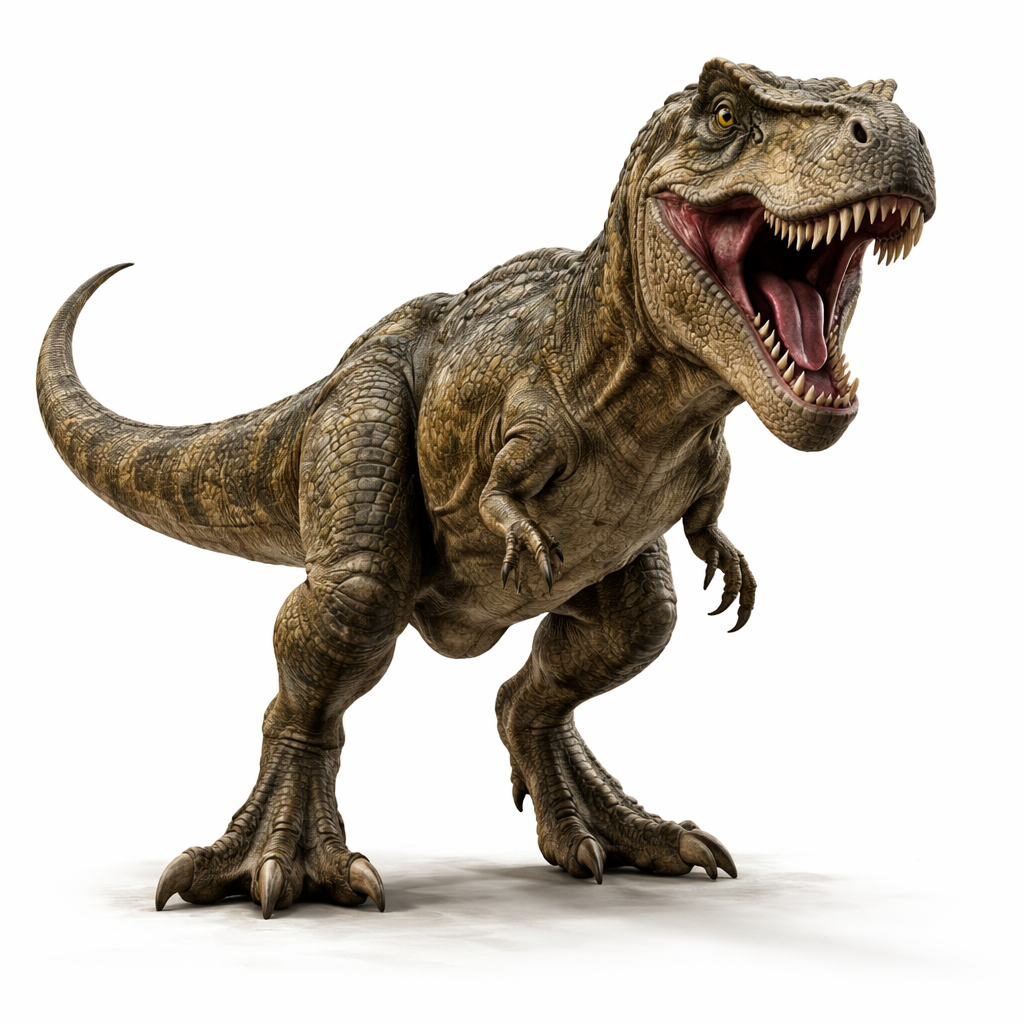
Flowering plants spread, horned and armored dinosaurs flourished, and large predators like Tyrannosaurus rex evolved. The era ended with a mass extinction event.
Major Dinosaur Groups
Ornithischians (Herbivores)
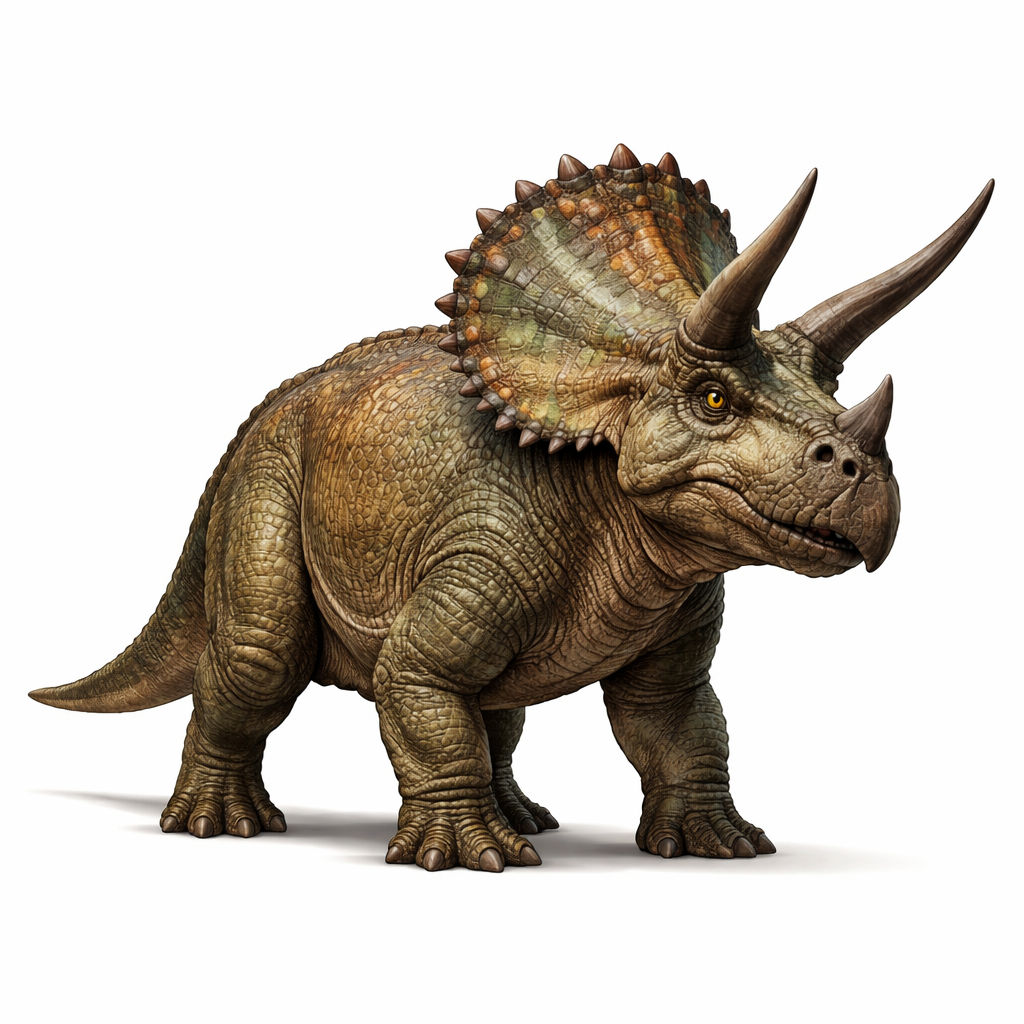
Plant-eating dinosaurs such as Triceratops and Stegosaurus. They had beaked mouths and complex chewing adaptations.
Theropods (Carnivores)
Mostly meat-eating dinosaurs like Tyrannosaurus rex and Velociraptor. Birds evolved from small feathered theropods.
Feathered Dinosaurs
Fossils show that many theropods had feathers. Archaeopteryx represents an early transitional form between non-avian dinosaurs and birds.
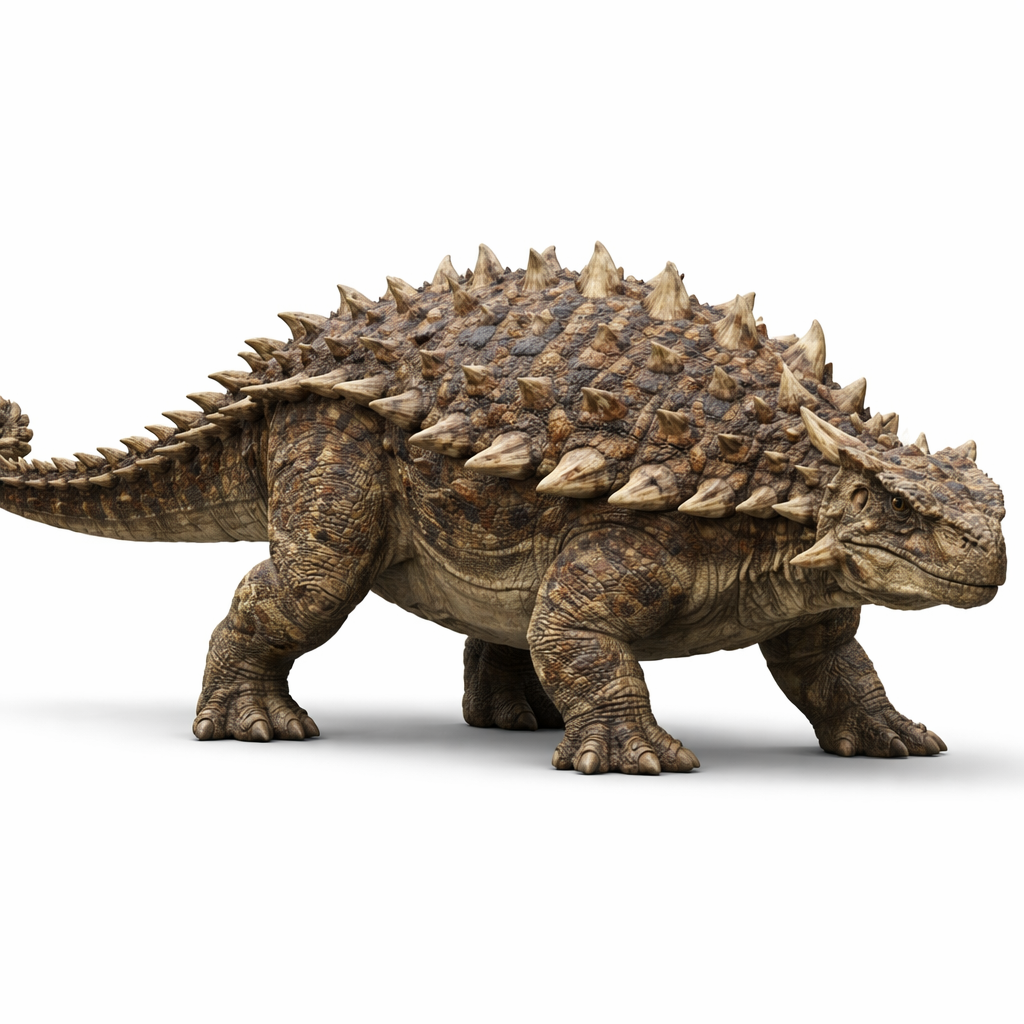
Famous Dinosaurs
Why Did Dinosaurs Go Extinct?
Artist’s impression of the Chicxulub asteroid impact.
Approximately 66 million years ago, a 10–15 km wide asteroid struck near present-day Yucatán, Mexico, forming the Chicxulub crater. The impact triggered global wildfires, tsunamis, and a dramatic climate shift due to dust blocking sunlight. This event, known as the Cretaceous–Paleogene (K–Pg) extinction, eliminated about 75% of Earth’s species, including all non-avian dinosaurs. Birds survived and continued evolving.
Interesting Scientific Facts
- Dinosaurs lived on every continent, including Antarctica.
- The name 'Dinosauria' means 'terrible lizards' and was coined in 1842 by Richard Owen.
- Some dinosaurs were smaller than modern chickens.
- Birds are living theropod dinosaurs.
- The largest sauropods may have exceeded 30 meters in length and weighed over 60 tons.
- Many dinosaurs likely had colorful feathers, not scaly skin as once believed.